


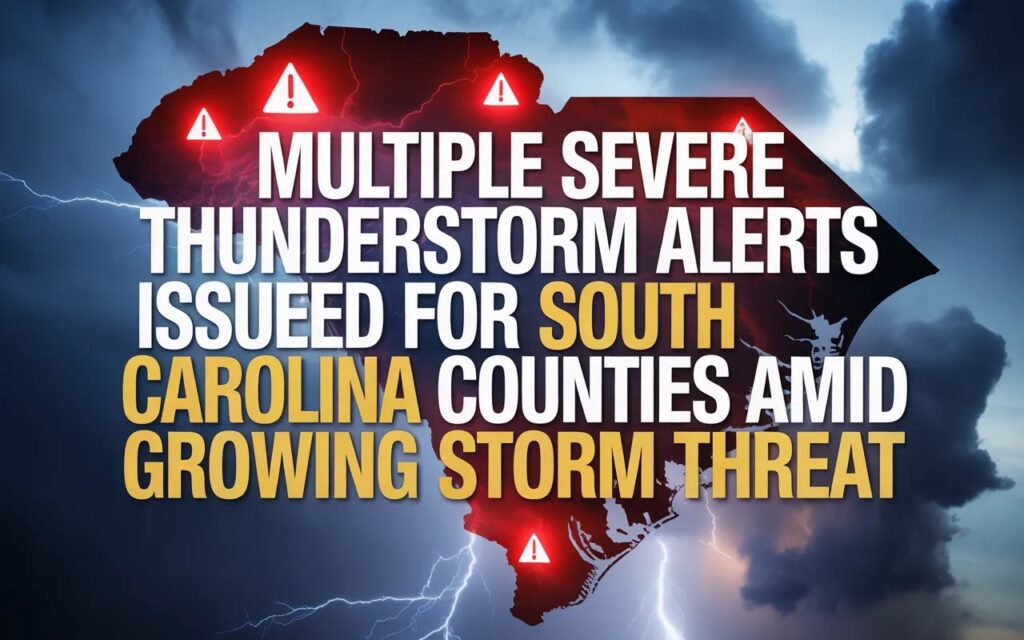
Severe Thunderstorm Alerts Issued Across South Carolina – What’s Happening Now
Multiple Severe Thunderstorm Alerts Issued for South Carolina Counties Amid Growing Storm Threat have triggered an Urgent weather alert across the state. The National Weather Service (NWS) released a fresh advisory after spotting rotation on storm-tracking radar. A sharp Cold front collision with a warm Gulf moisture system has increased Atmospheric instability. This pattern fuels a rapidly developing storm system.
Severe Thunderstorm Alerts in South Carolina today stem from intense pressure shifts. Weather radar updates confirm a spreading line of storms moving east. Experts describe this as a possible Severe weather outbreak. These Thunderstorm alerts issued today warn of Dangerous conditions and possible escalation into a Severe thunderstorm warning, South Carolina-wide. This is a true Critical safety update.
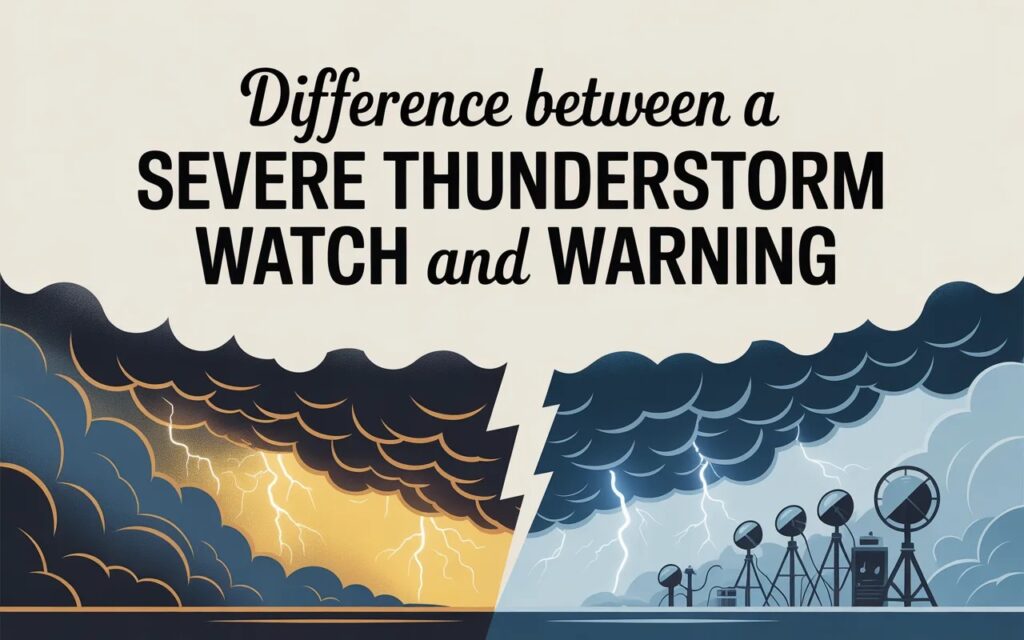
Difference Between a Severe Thunderstorm Watch and Warning
Understanding the Severe thunderstorm watch vs warning difference could protect you. A watch means storms may form. A warning means storms are happening. When South Carolina severe weather warnings appear, Immediate action is required. You move indoors fast. You stay away from windows. You monitor official NOAA weather updates.
Here is a simple comparison table for clarity:
| Alert Type | Meaning | Action |
| Watch | Storms possible | Stay alert and prepare |
| Warning | Storm active | Take shelter immediately |
When Multiple Severe Thunderstorm Alerts Issued for South Carolina counties and escalate into warnings, treat it seriously. Severe storm preparedness saves lives. This is not routine rain. It signals High-impact weather.
Counties in South Carolina Under Alert
Counties under severe weather warnings in SC include Greenville, Spartanburg, Richland, and Charleston. Coastal zones face higher Coastal storm impact, and Storm surge inland threats. Inland regions prepare for Localized flooding due to Heavy rainfall accumulation. The South Carolina storm threat update changes hourly.
Which counties in South Carolina are under alert? The answer shifts with radar movement. The Storm threat in South Carolina stretches across highways and rural towns alike. Officials urge residents to follow Public safety advisory notices. These alerts reflect a Growing storm threat across SC.
Main Hazards Residents Should Prepare For
The hazards aren’t minor. Damaging wind gusts may exceed 60 mph. The Large hail threat can shatter car windows. Flash flooding risk rises quickly when drains overflow. Downed power lines cause Power outages in South Carolina neighborhoods. Lightning adds another layer of risk. These represent true Severe weather conditions.
How dangerous are severe thunderstorms? They become lethal when ignored. The Weather emergency response teams monitor Storm damage reports closely. Even short storms cause Infrastructure disruptions. Follow Severe thunderstorm safety tips for residents and avoid flooded roads. Water hides danger.
Possible Tornadoes
Is South Carolina prone to tornadoes? Yes. The Tornado potential increases during a Cold front collision. A Severe thunderstorm warning in South Carolina may shift into a tornado warning fast. When rotation appears on Storm tracking radar, treat it seriously. Shelter immediately. Interior rooms save lives.
Why These Storms Are Considered Dangerous
These storms gain power from Atmospheric instability mixed with a Gulf moisture system. Warm air rises rapidly. Cooler air crashes downward. This energy fuels a volatile Severe weather outbreak. Meteorologists compare it to past spring outbreaks that caused millions in damage.
What wind speed qualifies as severe? Winds above 58 mph meet the severe threshold. However, stronger bursts cause roof damage. The Growing storm threat across SC also increases Localized flooding and debris hazards. Each factor compounds risk.
Power Outages, Travel Disruptions, and Infrastructure Concerns
Power grids strain under stress. Utility restoration crews prepare for widespread Power outages in South Carolina. Fallen trees block highways. Travel advisories in South Carolina warn drivers to delay trips. Airports monitor the South Carolina weather disruption update carefully.
Road flooding creates hidden traps. Infrastructure disruptions affect bridges and rural roads. The Weather monitoring systems guide emergency crews in real time. During Multiple Severe Thunderstorm Alerts Issued for South Carolina Counties Amid Growing Storm Threat, travel becomes unpredictable.
How Schools, Businesses, and Emergency Services Are Responding
Schools cancel events quickly. School closures due to weather protect students. Businesses adjust hours. Emergency management agencies activate control centers for coordinated Community emergency response efforts. Local leaders share updates during press briefings.
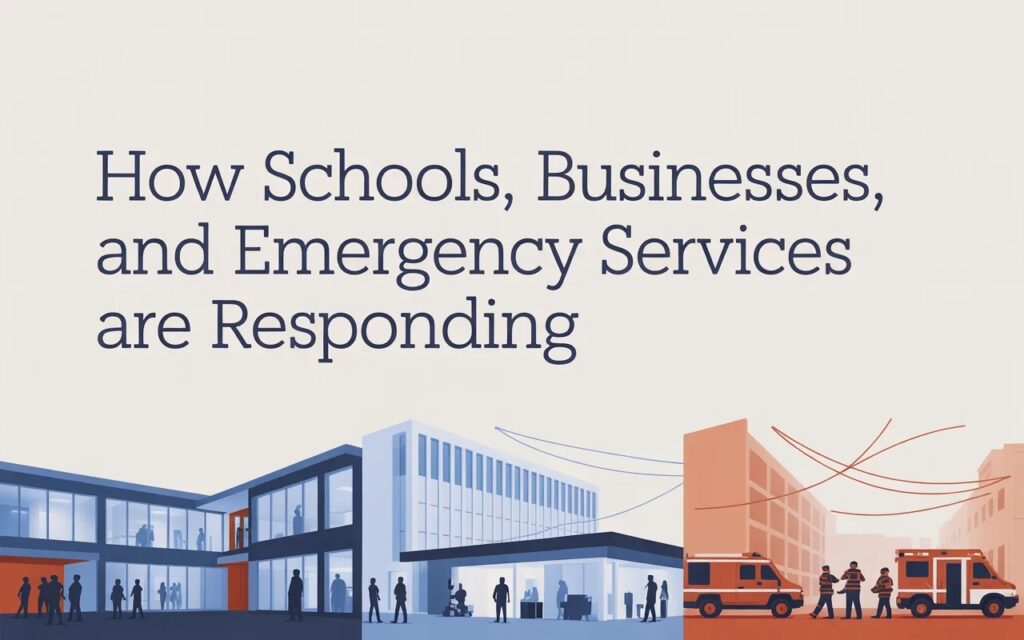
Emergency response during South Carolina storms depends on teamwork. Fire units inspect damage zones. Police redirect traffic. Hospitals prepare backup generators. Officials emphasize preparation over panic.
What Residents Should Do Before, During, and After the Storm
Preparation begins early. Build a Disaster preparedness kit with water, flashlights, batteries, and medication. Secure loose objects outside. During warnings, follow clear shelter rules. What to do during a severe thunderstorm warning includes moving to interior rooms and avoiding glass.
Should you unplug electronics during a thunderstorm? Yes. Lightning surges fry circuits. After storms pass, check for Downed power lines. Report issues through official channels. Begin cautious Storm recovery operations only after authorities confirm safety.
How to Stay Updated on Weather Alerts in South Carolina
Reliable information saves time. Follow NOAA weather updates and the National Weather Service (NWS) website at https://www.weather.gov. Watch local broadcasts. Monitor mobile apps for instant alerts. Accurate Weather radar updates provide clarity.
How to stay safe during lightning storms starts with awareness. Subscribe to county text alerts. Check Storm tracking radar often. Multiple Severe Thunderstorm Alerts Issued for South Carolina Counties demand constant attention.
Is Severe Weather Increasing in South Carolina?
Climate trends show rising variability. Experts link warmer oceans to stronger storm fuel. The Growing storm threat across SC may reflect shifting seasonal patterns. Data suggests heavier rain events now occur more often.
South Carolina severe weather warnings appear more frequently during transitional seasons. Researchers study patterns carefully. However, local geography also plays a role. Coastal air and inland heat combine unpredictably.
Frequently Asked Questions About Severe Thunderstorms in South Carolina
What is a severe thunderstorm alert? It is an official notice from the National Weather Service (NWS) about active Severe weather conditions. How to report storm damage in South Carolina? Contact local authorities or use state emergency websites. Is South Carolina prone to tornadoes? Yes, especially during spring systems. Multiple Severe Thunderstorm Alerts Issued for South Carolina Counties require constant vigilance.
Q.What part of South Carolina did the tornado hit?
Tornadoes often hit coastal counties, the Midlands, and Upstate areas, where storm systems intensify quickly.
Q.Is South Carolina at risk for tornadoes?
Yes, South Carolina faces tornado risk each year due to strong storm systems and seasonal weather changes.
Q.Why does it thunder so much in South Carolina?
Thunder happens frequently because warm Gulf moisture meets cool air, creating unstable conditions that spark storms.
Q.Is a hurricane hitting South Carolina?
Hurricanes occasionally approach or hit South Carolina, especially during the peak Atlantic hurricane season from June to November.
Final Thought
Multiple Severe Thunderstorm Alerts Issued for South Carolina Counties Amid Growing Storm Threat highlight nature’s force. Respect the warnings. Prepare wisely. Stay informed. Safety always comes first.