


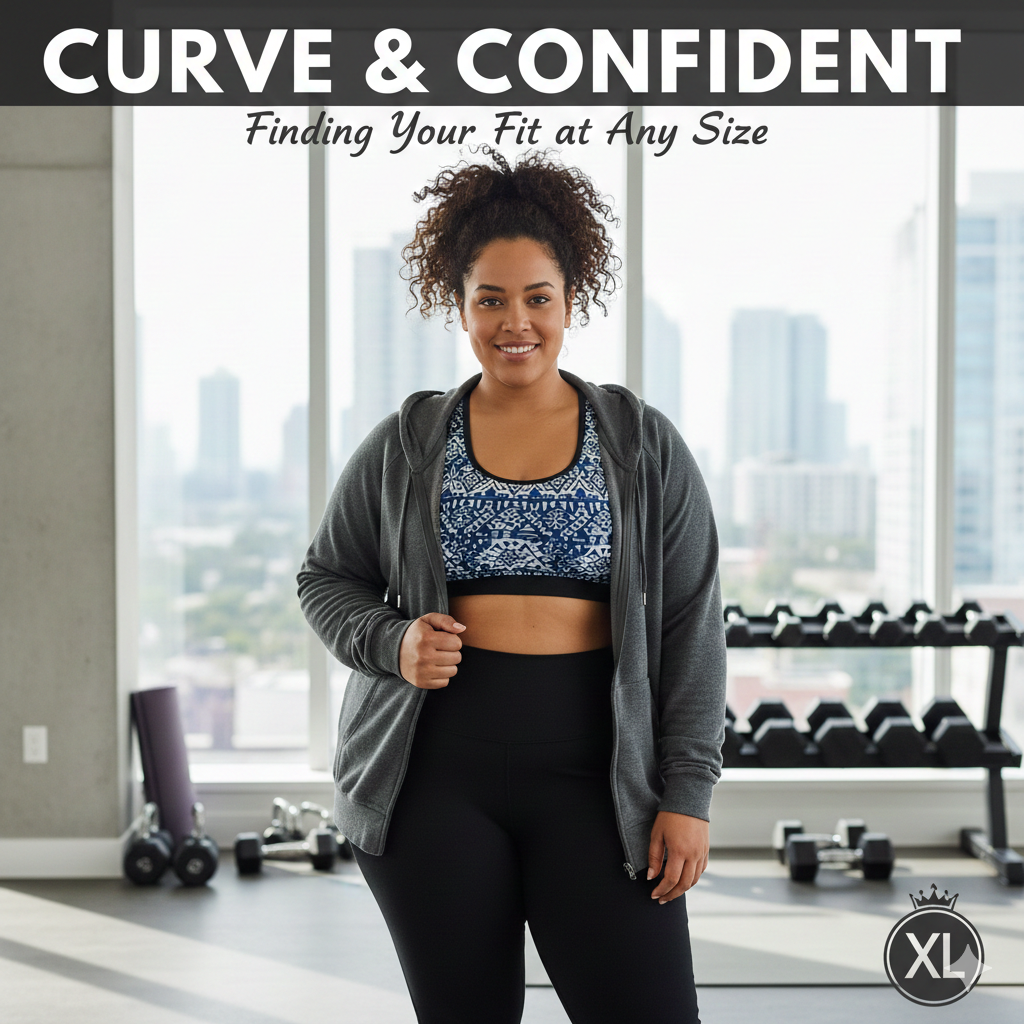
Finding clothes that fit well shouldn’t feel like solving a puzzle. If you’re shopping for XXXXXXXXL size CXX clothing, you already know the struggle: confusing size charts, inconsistent fits between brands, and clothes that just don’t feel right. I’ve put together this guide to help you navigate extended sizing with confidence, whether you’re building a work wardrobe, upgrading your casual wear, or getting ready for a special occasion.
What Does XXXXXXXXL Size CXX Actually Mean?
Let’s start with the basics. XXXXXXXXL size CXX typically falls into the extended big-and-tall or plus-size category. This means you’ll find clothing designed with more generous measurements across the chest, waist, sleeves, hips, and thighs. The cuts also feature longer rises and additional room where you need it most.
Here’s the tricky part: sizing isn’t universal. An XXXXXXXXL from one brand might fit completely differently from another. Some brands might label the same measurements as 5X, 6X, 7X, or even 8X. That’s why understanding your actual body measurements in both inches and centimeters is crucial.
The Fabric Factor
Fabric choice dramatically affects how clothing fits. A shirt made from stretch cotton-elastane blend will feel roomier and move with you compared to a rigid twill in the same labeled size. Look for fabrics with 2–6% elastane or mechanical stretch if you want clothes that adapt to your body throughout the day.
Understanding XXXXXXXXL Size Clothing Conversion
Converting XXXXXXXXL sizing across different regions and numbering systems can be confusing. Here’s how it typically breaks down:
US Sizing: XXXXXXXXL generally corresponds to numerical sizes 5X through 8X, though this varies by brand. In some systems, it aligns with size 56-64 in numeric terms.
European Sizing: You’ll typically see XXXXXXXXL converted to sizes 64-72, depending on the manufacturer and whether it’s menswear or womenswear.
UK Sizing: Similar to US extended sizing, XXXXXXXXL often translates to 5XL-8XL or numeric sizes 56-64.
Asian Sizing: Asian size charts run smaller, so XXXXXXXXL might correspond to 9XL-12XL in some Asian brands.
The most reliable approach? Always check the brand’s specific size chart that shows actual measurements in inches or centimeters. Compare chest, waist, hip, and inseam measurements against your own body measurements rather than relying on letter or number conversions alone.
XXXL Size in Number: What You Need to Know
When you see XXXL size in a number format, it typically translates to:
- Numeric sizing: Size 48-52 for men’s clothing in most US brands
- Chest measurements: Approximately 54-58 inches (137-147 cm)
- Waist measurements: Around 48-52 inches (122-132 cm)
For XXXXL (four X’s), the numbers shift up:
- Numeric sizing: Size 52-56
- Chest measurements: Approximately 58-62 inches (147-157 cm)
- Waist measurements: Around 52-56 inches (132-142 cm)
Remember that these are general guidelines. Each brand interprets numeric sizing differently, which is why checking individual size charts is essential for getting the right fit.
How to Measure Yourself for the Best Fit
Grab a soft measuring tape and note these key measurements:
For tops: chest circumference at the fullest part, shoulder width from seam to seam, sleeve length from shoulder to wrist, and torso length from shoulder to desired hem.
For bottoms: natural waist, hip circumference, thigh at the widest point, rise (from waistband to crotch seam), and inseam from crotch to ankle.
Don’t forget the ease allowance. Your clothes need breathing room. Add 2–4 inches at the chest for button-up shirts and 1–2 inches at the waist for trousers without stretch. This extra space ensures comfort when you sit, reach, or move.
XXXL Size Chart: Your Quick Reference Guide
Here’s a practical size chart to help you understand XXXL and extended sizes:
Men’s XXXL Sizing:
- Chest: 54-56 inches (137-142 cm)
- Waist: 48-50 inches (122-127 cm)
- Hips: 52-54 inches (132-137 cm)
- Neck: 19-19.5 inches (48-50 cm)
Men’s XXXXL Sizing:
- Chest: 58-60 inches (147-152 cm)
- Waist: 52-54 inches (132-137 cm)
- Hips: 56-58 inches (142-147 cm)
- Neck: 20-20.5 inches (51-52 cm)
Women’s XXXXL Clothing Sizing:
- Bust: 56-58 inches (142-147 cm)
- Waist: 50-52 inches (127-132 cm)
- Hips: 58-60 inches (147-152 cm)
XXXXXXL Sizing (6X):
- Chest/Bust: 64-68 inches (163-173 cm)
- Waist: 58-62 inches (147-157 cm)
- Hips: 66-70 inches (168-178 cm)
These measurements represent garment sizes with ease already included, not body measurements. Always compare against the specific brand’s chart.
Women’s XXXXL Clothing: Special Considerations
Shopping for women’s XXXXL clothing requires attention to different fit considerations than men’s clothing. Women’s extended sizing often includes:
Bust and hip proportion: Women’s patterns account for curves, offering more room through the bust and hips while maintaining definition at the waist.
Rise and inseam options: Many brands now offer petite, regular, and tall inseam options even in extended sizes, recognizing that height and weight don’t always correlate.
Fabric stretch and drape: Women’s XXXXL clothing frequently incorporates more stretch fabrics and flow to flatter different body shapes.
Style variety: From casual wear to professional attire and evening wear, women’s extended sizing has expanded significantly in 2026, offering more fashionable options than ever before.
Look for brands specializing in plus-size women’s wear, as they design specifically for proportions rather than simply scaling up smaller sizes.
XXXL Size Pants: Finding the Perfect Fit
XXXL size pants present unique fitting challenges. Here’s what to focus on:
Rise is everything: A proper rise prevents waistband roll and ensures comfort when sitting. For XXXL pants, look for mid-to-high rise options that sit at or slightly below your natural waist.
Thigh and seat room: XXXL pants should offer generous thigh measurements—typically 30-34 inches in circumference. The seat should have enough fabric to prevent pulling or stress lines when you move.
Waist sizing: XXXL pants usually correspond to waist sizes 48-52 inches. However, look for options with adjustable waistbands, elastic side panels, or comfort-stretch technology.
Inseam lengths: Don’t assume all XXXL pants come in one inseam. Look for brands offering multiple lengths—typically 28, 30, 32, 34, and 36-inch inseams, even in extended sizes.
Taper and leg opening: Modern XXXL pants offer various leg cuts—straight leg, relaxed fit, athletic taper, and even slim options for those who prefer a contemporary silhouette. The hem opening should be proportional to your shoe size for a balanced look.
Finding XXXXL Clothing Nearby
Shopping for XXXXL clothing nearby has gotten easier, but knowing where to look saves time:
Big and tall specialty stores: These shops stock extended sizes as their primary inventory and employ staff trained in fitting larger sizes.
Department stores: Most major department stores now carry extended sizing in-store, typically in dedicated sections. Call ahead to confirm they stock XXXXL and above.
Outlet malls: Outlet locations often carry extended sizes at discounted prices, though selection may be limited.
Athletic and outdoor retailers: Stores specializing in activewear and outdoor gear frequently stock extended sizes with performance fabrics.
Online ordering with local pickup: Many retailers offer buy-online-pickup-in-store options, letting you try items immediately and return easily if needed.
When visiting stores, go during less busy hours for better service and access to fitting rooms. Don’t hesitate to ask staff to check inventory in the stockroom, as extended sizes aren’t always displayed on the floor.
XXXXL Shirts: Getting the Upper Body Right
XXXXL shirts require attention to several key fit points:
Shoulder seam placement: The shoulder seam should sit right at your shoulder’s edge, where your arm naturally begins. If it hangs over onto your bicep, the shirt is too large. If it sits on top of your shoulder, it’s too small.
Chest and torso room: XXXXL shirts typically measure 58-62 inches around the chest. Look for 3-4 inches of ease—enough to pinch fabric at the side seam when standing relaxed.
Sleeve length and circumference: Sleeves should end at your wrist bone with arms relaxed at your sides. The bicep area should allow comfortable movement without binding. For dress shirts, the cuff should show about a half-inch beyond your jacket sleeve.
Length matters: Casual XXXXL shirts should fall around mid-fly for an untucked look. Dress shirts designed for tucking should extend 4-6 inches below your belt line to stay in place.
Collar comfort: Dress shirt collars should allow two fingers to fit comfortably between the collar and your neck when buttoned. Expandable collar bands add extra comfort for all-day wear.
Fabric weight: Lighter-weight fabrics (under 180 gsm) can cling and show body contours. Medium-weight fabrics (200-260 gsm) provide better structure and drape for XXXXL sizes.
XXXXXXL Size Clothing: Extra Extended Sizing
XXXXXXL (6X) sizing represents the upper range of many standard retail lines and the starting point for super-extended sizing:
Typical measurements:
- Chest/bust: 64-68 inches
- Waist: 58-62 inches
- Sleeve length often extends 2-3 inches beyond XXXXL
- Torso length adds 2-4 inches for proper coverage
Where to find it: Specialty big-and-tall retailers, online extended-size specialists, and custom clothing makers offer the most consistent XXXXXXL inventory.
Fit considerations: At this size, proportion becomes even more critical. Look for brands that design specifically for extended sizes rather than those that simply scale up patterns, as proper proportioning in shoulders, armholes, and rise makes a dramatic difference in comfort and appearance.
Quality matters: Investment in well-constructed XXXXXXL clothing pays off. Reinforced seams, quality fabrics with appropriate stretch, and thoughtful design details like gussets and vented hems significantly improve wearability and longevity.
Everyday Clothing That Works Hard
Casual Tops and Tees
Look for heavyweight jersey fabric in the 220–260 gsm range. This weight drapes better and won’t cling to your body. Cotton-bamboo blends offer softness and breathability. For overshirts and shackets, slightly dropped shoulders and curved hems provide a modern look while two-way stretch twill keeps you comfortable.
Pants for Daily Wear
Straight-leg or tapered chinos with a mid-to-high rise are your friends. Choose styles with 2% elastane for flexibility without looking like workout pants. The rise is especially important—a higher rise balances your proportions and stays in place when you sit.
For denim, consider straight or athletic taper cuts. Stretch denim with 1–3% elastane and reinforced seat seams will last longer and feel better. If you prefer selvedge denim, make sure it has a generous rise and thigh measurement.
Work and Professional Clothing
Dress Shirts That Fit Right
Performance Oxford and poplin shirts with wrinkle-resistant finishes save time and look polished. Pay attention to split yokes, which help the fabric drape properly across broader backs. Deeper armholes prevent that restricted feeling when you reach or type at a desk.
Look for shirts with longer body lengths designed to stay tucked in. Some brands now offer expandable collar bands that give you up to an extra inch of room when you need it.
Smart Trousers and Blazers
Wool-blend trousers with stretch, extended tab waists, and a gentle taper strike the right balance between professional and comfortable. If you sit most of the day, prioritize a higher rise with a comfort waistband to reduce pressure on your midsection.
For blazers, skip heavily structured options. Half-canvas or knit blazers provide polish without feeling stiff. Side vents prevent pulling at the hips and allow better movement.
Athletic and Casual Comfort Wear
Performance Activewear
Tech tees with strategically placed mesh zones help regulate temperature during workouts. Look for moisture-wicking fabrics with anti-odor technology—these features matter even more in extended sizes where fabric-to-skin contact increases.
Track pants and joggers should have articulated knees and gusseted seams to prevent bunching. Combined elastic and drawcord waists let you fine-tune the fit throughout the day.
Hoodies and Layering Pieces
Raglan sleeves improve the range of motion significantly. Double-knit fabrics maintain their shape better than single knits, especially after multiple washes. These pieces become wardrobe workhorses when they’re built right.
Special Occasion and Formal Wear
Dress shirts with hidden comfort bands in the collar give you flexibility without compromising style. For suits, look for adjustable waist features like side tabs or discreet elastic inserts that maintain clean lines while providing comfort.
Choose lapels proportional to your shoulder width—peak or notch lapels should complement your frame, not overpower it. For formal shoes, seek out styles with broader lasts, wider toe boxes, and cushioned insoles to reduce fatigue during long events.
Fabrics That Make a Difference
Best Fabric Choices
Stretch wovens combine cotton with nylon or polyester and elastane for resilience and all-day comfort. These fabrics resist wrinkles and bounce back to shape.
Breathable knits like Pima cotton, modal, and Tencel lyocell blends offer cooling softness perfect for warmer weather or layering.
Temperature management fabrics include merino jersey for cool-weather layering and moisture-wicking synthetics for active days.
Construction Details That Matter
Quality construction extends clothing’s life and improves comfort. Look for bar-tack reinforcement at pocket corners and seat seams—these prevent blowouts in high-stress areas.
Contoured waistbands reduce gapping and improve seated comfort. Underarm gussets in shirts, back pleats for mobility, and crotch gussets in pants all contribute to a better fit and movement.
Fine-Tuning Your Fit
Getting Tops Right
Start with the shoulders. The shoulder seam should sit at your natural shoulder point. If the shoulders fit properly, a tailor can easily adjust the body and sleeves. Armholes should be deep enough for comfort but not so wide that fabric billows.
For hem length on casual shirts, aim for mid-fly. Shirts meant for tucking should have longer back lengths and side gussets to prevent untucking.
Perfecting Bottom Fit
Rise determines how your pants sit and feel. Test seated comfort—the waistband shouldn’t dig in or roll over. At the thigh, you should have about a hand’s width of ease. A gentle taper from knee to hem creates a longer leg line.
For hem breaks, consider no-break or slight-break styles. Cuffed hems add weight and improve drape on heavier fabrics.
Styling for Confidence and Proportion
Creating Visual Balance
Vertical elements like open plackets, long scarves, and tonal layering create the illusion of height. Monochrome or near-tonal outfits limit high-contrast breaks at the midsection, creating a streamlined appearance.
Structured outerwear like field jackets, chore coats, and minimalist bombers sharpens your overall silhouette.
Colors, Prints, and Accessories
Medium-scale geometric prints work better than tiny micro prints (which can look busy) or oversized prints (which can overwhelm). Deep neutrals like navy, charcoal, olive, and chocolate provide versatile foundations. Add personality through accent colors in sneakers, watches, or pocket squares.
For belts, match tones to your shoes to create visual length. Wider belts, around 1.5 inches, distribute pressure more comfortably than narrow ones.
Smart Shopping Strategies for 2026
Decode Size Charts Properly
Never rely solely on letter sizes. Compare your measurements against each product’s specific garment measurements. Pay attention to fit-type labels like relaxed, classic, athletic, or tapered—these descriptors change how clothes drape even when the size tag matches.
Order and Return Wisely
When trying a new brand, consider ordering two adjacent sizes to compare. Test both seated and standing fit in natural indoor lighting. Always check return windows and potential restocking fees before ordering.
Keep tags attached until you’ve tested a gentle wash cycle, if the return policy allows. Use cold water, a gentle cycle, and a mesh bag for delicates.
The Tailoring Advantage
Simple alterations transform off-the-rack clothes into custom-feeling pieces. Hemming pants, tapering below the knee, and adjusting sleeve length are straightforward and affordable.
For jackets, prioritize finding the right shoulder fit first. A skilled tailor can then shape the waist and adjust vents for a polished look.
Caring for Your Wardrobe
Washing and Maintenance
Cold water washing with gentle cycles preserves elastane stretch and prevents fading. Use mild detergents and skip heavy fabric softeners, which can clog technical fibers and reduce moisture-wicking performance.
Remove pills from knits using a fabric comb rather than pulling them.
For a well-organized wardrobe and home, explore trusted Pakistani home essentials at AyyanBaba.”*
Steam stretch wovens instead of aggressive ironing to maintain their performance properties.
For footwear, rotate pairs and let them air out between wears. Replace insoles regularly for continued support and comfort.
Making Your Budget Work
Where to Invest
Put your money into footwear and outerwear first. These pieces deliver the biggest returns in comfort and durability. Quality everyday pants with reinforced construction and stretch fabric see the most wear, so invest accordingly.
Where to Save
Seasonal colors and trend-driven pieces can come from more affordable sources. Focus on proper fit and decent fabric quality rather than premium labels for these items.
Frequently Asked Questions
What’s the difference between XXXL, XXXXL, and XXXXXXL?
Each additional X typically adds 4-6 inches to chest and waist measurements. XXXL suits chest sizes around 54-56 inches, XXXXL fits 58-62 inches, and XXXXXXL accommodates 64-68 inches.
Can I find extended sizes in regular stores?
Yes, most major retailers now stock up to XXXXL in-store, with larger sizes available online. Big-and-tall specialty stores carry the widest selection of extended sizes.
Do extended sizes fit differently across brands?
Absolutely. Always check each brand’s specific size chart and compare actual garment measurements to your body measurements rather than relying on letter sizes alone.
What’s the best way to shop for extended sizes online?
Measure yourself accurately, compare against garment specs, read customer reviews about fit, and order multiple sizes initially to find what works best.
Building Your 2026 Wardrobe
Shopping for XXXXXXXXL size CXX clothing gets easier when you know your measurements, understand fabric properties, and recognize quality construction. Size charts vary between brands, so always compare your body measurements to garment specifications rather than trusting letter sizes alone.
Prioritize comfort and movement in everything you buy. Clothes should work with your body, not against it. With thoughtful shopping, strategic tailoring, and proper care, you’ll build a wardrobe that looks sharp and feels authentically comfortable every single day.